We work on most residential sprinkler systems and understand the watering challenges that come with San Antonio properties.

Sprinkler Repair
We work on most residential sprinkler systems and understand the watering challenges that come with San Antonio properties.
Call us today to lock in your savings.
Opt into our text messaging system to begin scheduling your service!
A sprinkler system can be running on schedule and still leave the yard in rough shape. One section starts browning out, another stays too wet, and suddenly the whole lawn looks uneven. Sometimes the cause is obvious, like a broken head spraying the sidewalk. Other times, the problem is buried underground or hidden in the controller settings.
We provide sprinkler and irrigation repair in San Antonio, TX for homeowners and light commercial properties that need dependable service and real answers. Our team repairs leaking lines, damaged sprinkler heads, faulty valves, timer issues, wiring problems, and low-pressure irrigation trouble. In San Antonio, where long hot stretches and dry conditions can stress turf quickly, a small sprinkler problem can turn into a noticeable landscape issue faster than most people expect.
We work on most residential irrigation systems and understand how South Central Texas weather affects watering needs. High heat and evaporation make proper scheduling especially important here, and efficient coverage can make a big difference in how well a lawn holds up through the season. We serve San Antonio and nearby communities including Boerne, Helotes, Schertz, Cibolo, and surrounding areas.
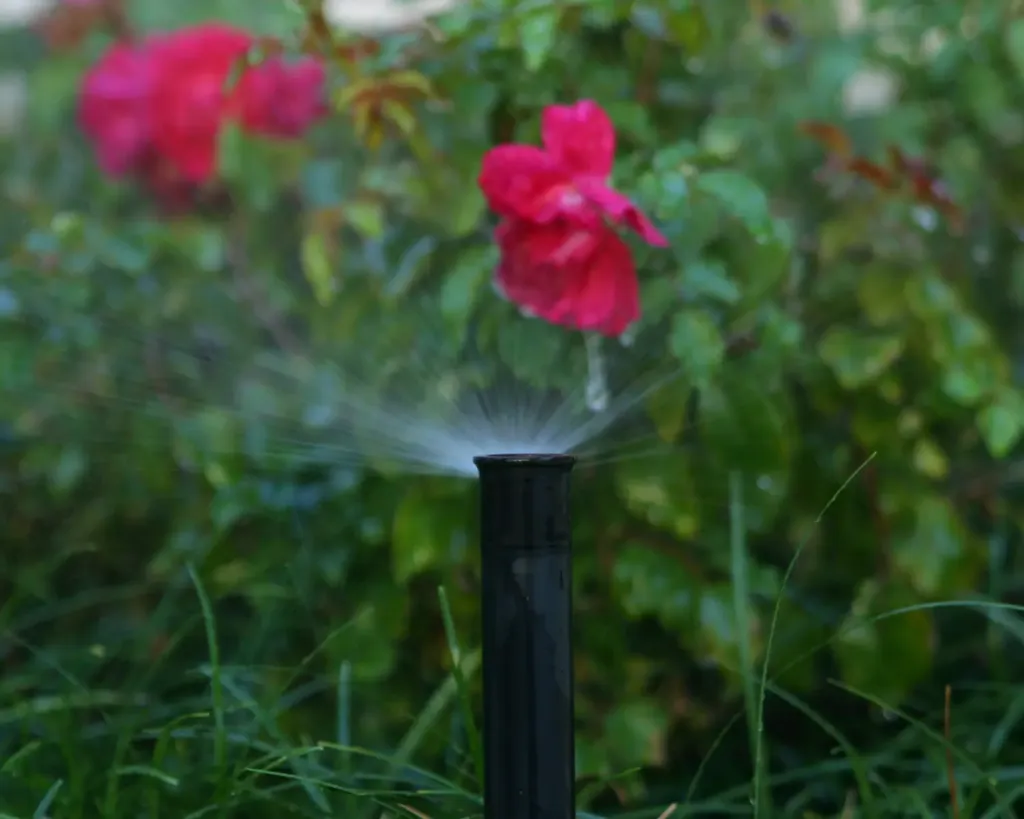
Sprinkler systems do not usually fail all at once. More often, one part starts slipping and the rest of the system follows. A damaged head, a bad valve, or a leak in one section can throw off a whole zone.
Broken sprinkler heads are one of the most common problems on any irrigation system. They can get cracked by mowing equipment, knocked out of place, worn down by age, or damaged by pressure changes.
You may notice water spraying in the wrong direction, a head that stays stuck in the ground, or one area getting flooded every time the system runs. Even a single broken head can affect the performance of the whole zone and leave nearby grass struggling.
A line leak can waste a lot of water before it becomes easy to spot. These leaks are often caused by cracked pipe, loose fittings, root intrusion, or shifting ground.
Common signs include soggy spots that do not dry out, soft soil along the line, bubbling water during a cycle, or a water bill that suddenly climbs. In San Antonio, where water efficiency matters during hot and dry conditions, hidden leaks can become expensive if they are not caught early.
Valves control the flow of water to each zone. When one sticks, fails to open, or does not close properly, the whole watering schedule can feel unpredictable.
A zone might stay on too long, refuse to start, or run inconsistently from one cycle to the next. Sometimes the issue is with the valve itself. Other times, the solenoid or wiring is the real source of the problem.
Low pressure can make the system seem like it is still running when it is really not covering enough ground. Heads may not pop up fully, spray distance may shrink, and dry areas can start showing up where the lawn used to get enough water.
This can be caused by leaks, clogged nozzles, worn valves, pressure regulator issues, or trouble around the backflow assembly. In San Antonio heat, poor pressure tends to show up quickly because the landscape depends on regular and complete coverage.
Not every irrigation issue is happening in the yard itself. Sometimes the system is watering poorly because the controller is not running the schedule correctly.
A timer may skip a zone, lose its settings, run at the wrong time, or fail to start the system at all. Wiring damage, electrical interruptions, outdated equipment, and programming issues can all cause controller problems. In hot Texas conditions, smart irrigation controllers can also help improve efficiency by adjusting watering more responsibly.
 We repair a wide range of irrigation parts, including:
Sprinkler heads and nozzles
PVC irrigation pipes
Drip irrigation tubing
Solenoid valves
Manifolds
Backflow preventers
Rain sensors
Smart irrigation controllers
Sprinkler timers
Wire connections
Pump systems
Water pressure regulators
We repair a wide range of irrigation parts, including:
Sprinkler heads and nozzles
PVC irrigation pipes
Drip irrigation tubing
Solenoid valves
Manifolds
Backflow preventers
Rain sensors
Smart irrigation controllers
Sprinkler timers
Wire connections
Pump systems
Water pressure regulatorsMost property owners are not looking for a complicated explanation. They want to know what is wrong, what needs to be fixed, and whether the system will work properly again when the visit is over.
Step
1
Irrigation System Inspection
We start by running the system and checking the active zones. This gives us a clear view of coverage patterns, head alignment, visible leaks, valve behavior, and controller settings.
Step
2
Diagnose the Problem
Once the system is operating, we narrow down the source of the issue. That could be a broken head, a leaking line, a valve failure, low pressure, bad wiring, or a controller problem affecting one or more zones.
Step
3
Repair or Replace Components
After the cause is identified, we repair components that can still be used and replace parts that are too worn or damaged to keep performing reliably.
Step
4
System Optimization
Once the main repair is complete, we make practical adjustments to improve performance. That may include aligning heads, improving spray direction, reducing overspray, and helping the zones water more evenly.
Step
5
System Testing
Before finishing the visit, we tested the system again to make sure the repair solved the problem and that the affected zones are working more consistently.
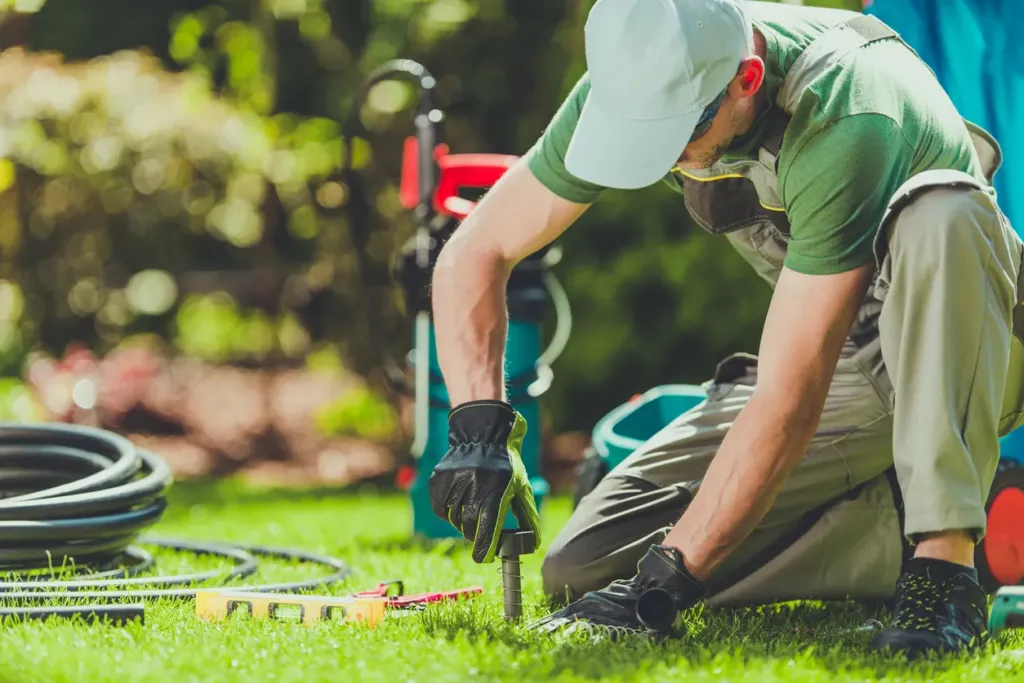
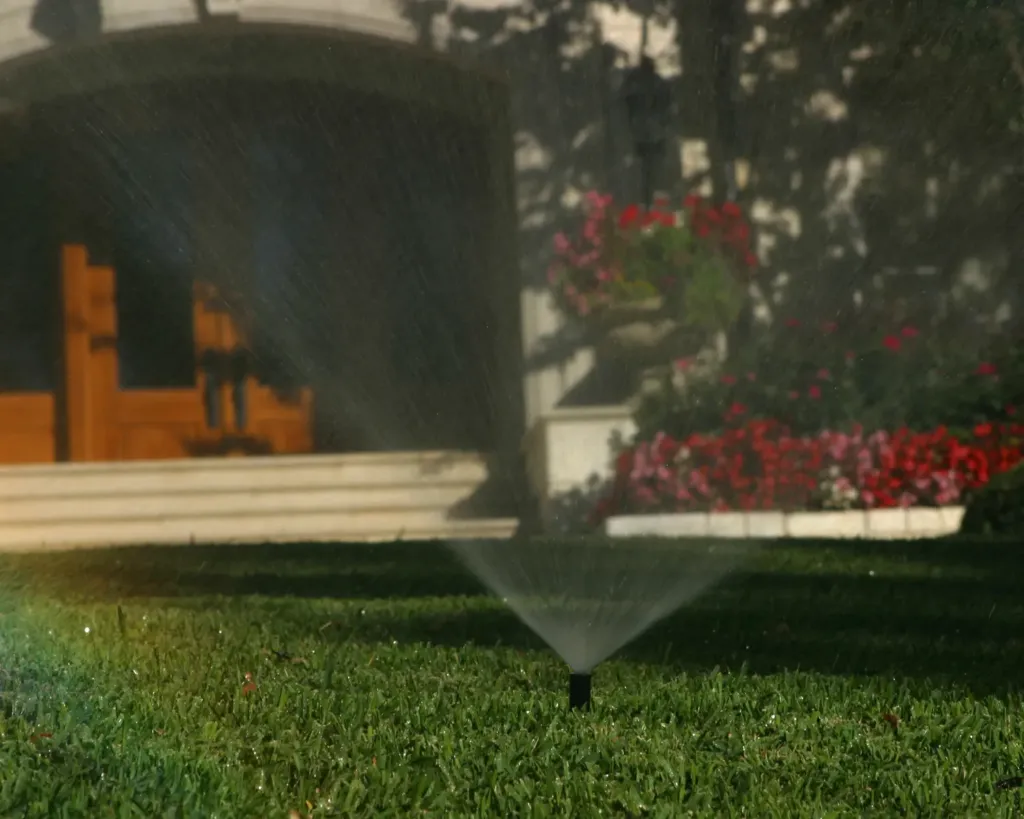
A sprinkler system usually needs different settings as the year changes. Seasonal maintenance helps it keep up with changing weather without overwatering or falling behind.
We also provide related irrigation services, including:
Sprinkler system inspections
Sprinkler system tune-ups
Drip irrigation installation
Irrigation rerouting
Smart irrigation controller upgrades
Water efficiency audits
Seasonal maintenance plans
That depends on what is causing the problem. Replacing one broken head is usually simpler than locating an underground leak or repairing a valve or controller issue. The actual cost depends on the type of repair and how much of the system is involved.
Many sprinkler repairs can be completed in one visit, especially when the issue is limited to one zone or a few damaged parts. Larger repairs can take longer if multiple problems need to be diagnosed and corrected.
Not always. It depends on whether access is needed to the controller, shutoff valve, gated areas, or other secured parts of the property. Some repairs are easy to complete once the system is accessible.
We repair most residential sprinkler systems and many light commercial systems, including spray heads, rotors, drip irrigation lines, valves, timers, sensors, and controllers.
Once a year is a solid starting point for most properties. In San Antonio, many homeowners also benefit from a spring inspection before the hottest part of the year arrives.
If your sprinkler system is leaking, leaving dry spots, overwatering certain areas, or running on a schedule that no longer makes sense, it is probably time to have it checked. A timely repair can improve efficiency, reduce wasted water, and help your landscape stay in better shape through the San Antonio season. Schedule sprinkler and irrigation repair service in San Antonio, TX today.