Common Causes of Low Sprinkler Water Pressure and How to Fix Them in Tampa, FL
 August 25, 2025
1 min read
August 25, 2025
1 min read
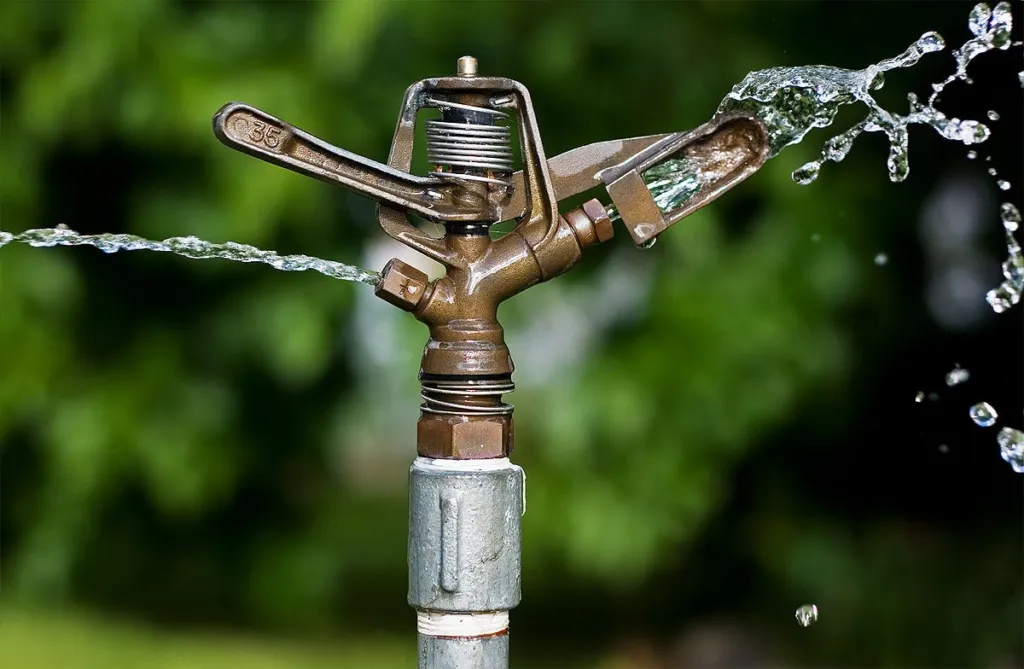
In Tampa, FL, a reliable sprinkler system is essential for keeping lawns green despite the region’s hot summers and heavy rainfall. One of the most common problems homeowners face is low water pressure, which can lead to weak spray, uneven watering, and wasted water throughout the yard. If not addressed, this issue can quickly damage your landscape and raise your water bill.
Andy’s Sprinkler, Drainage, & Lighting proudly serves Tampa and nearby Florida communities while also providing trusted sprinkler repair in Carrollton, Southlake, Austin, Lubbock, and Jacksonville. Our experienced team understands the challenges of Florida’s climate and delivers reliable solutions to restore strong, consistent water pressure to your irrigation system.
In this post, we’ll discuss some of the common reasons for low pressure sprinklers.
How Water Pressure Works in Sprinkler Systems
Sprinkler systems depend on consistent water pressure, measured in PSI. Spray heads typically need 15–30 PSI, rotors work best at 30–50 PSI, and drip irrigation systems usually run between 10–25 PSI.
In Tampa, this is especially important because of the sandy soil and humid subtropical climate. Lawns often require daily watering in the summer, and without proper PSI, coverage suffers—leaving dry patches in some areas and oversaturated zones in others.
Table of Contents
Causes of Low Sprinkler Pressure
Troubleshooting Low Pressure
Fixes and Upgrades
Preventive Maintenance
Backflow Preventer Valve Issue
One common cause of low sprinkler water pressure is the backflow preventer. If you notice weak water flow outside but normal water pressure inside your home, the issue may be that the valves aren’t fully open.
Most backflow preventers in Tampa have two valves—one on a horizontal pipe and one on a vertical pipe. Both must be parallel to the pipe for full flow. Adjusting these carefully may restore pressure, though a professional inspection ensures nothing else is wrong.
Water Line Leak or Break
Leaks and breaks in water lines can also reduce pressure. In Tampa, this often occurs when underground PVC lines are damaged by digging or shifting soil.
Signs include soggy patches in your yard, bubbling water, or a set of sprinkler heads not working. Because leaks waste water and can damage your landscape, it’s best to call a sprinkler repair technician right away.
Shut-Off or Main Water Valves Aren’t Fully Open
Your sprinkler system depends on open valves. This includes both the system’s shut-off valve and your home’s main water valve. If either is partially closed, pressure will drop across all zones.
Having a professional locate, test, and confirm that all valves are fully open can quickly resolve this problem.
Clogged or Dirty Sprinkler Heads
Tampa’s sandy soil often clogs sprinkler heads, reducing pressure. Dirt, debris, and grass clippings can build up, restricting water flow.
If some heads spray well and others don’t, clogging may be the issue. Heads need to be disassembled, cleaned, and checked to ensure they’re working properly. This can be done by a homeowner, but professional service ensures thorough cleaning and inspection.
Water Line Obstruction
Underground blockages are another cause of low pressure. In Tampa, tree roots from palms, oaks, and magnolias may infiltrate or constrict water lines. Over time, this reduces flow and causes uneven coverage.
If you suspect root intrusion, a professional inspection is the safest way to confirm and resolve the issue.
Other Common Causes of Low Sprinkler Pressure
Other possible reasons include:
• Too many sprinkler heads per zone, causing overload.
• Old or undersized piping that can’t handle demand.
• Municipal water pressure drops, especially during peak summer usage.
• Faulty zone valve or timer settings.
• Whole-home filtration or water softeners reducing flow.
How to Test for Low Water Pressure
Homeowners can run simple checks before calling for repairs:
• Use a pressure gauge on an outdoor spigot (15–30 PSI for spray heads, 30–50 PSI for rotors).
• Monitor the water meter for signs of leaks.
• Perform a bucket test—time how long it takes to fill a gallon container.
• Watch sprinkler coverage for weak spray or dry spots.
These tests can help identify whether the problem is inside your system or related to city water supply.
Fixes and Upgrades
Solutions may include:
• Cleaning or replacing clogged nozzles.
• Repairing small leaks.
• Splitting overloaded zones to balance water use.
• Adding a booster pump to increase city water pressure.
• Replacing older pipes with new, larger ones.
• Switching to low-flow nozzles for efficiency.
Preventive Maintenance Tips
In Tampa’s humid, sandy environment, preventive care is essential. Consider these steps:
• Flush the system seasonally to remove sand and debris.
• Clean filters and heads regularly.
• Inspect valves and lines each year.
• Winterize if a rare freeze is forecasted.
• Install smart controllers for water conservation and scheduling.
Choose Andy’s Sprinkler, Drainage, & Lighting Today!
If you’re dealing with any of the issues outlined above, then it’s time to pick up the phone and call Andy’s Sprinkler, Drainage, & Lighting, find out which location offers sprinkler repair near you. We offer top-notch sprinkler system services and we can ensure your yard is ready to look its best! Contact us today to schedule an appointment.
FAQs
-
Why is my sprinkler system water pressure low?
Low pressure may be caused by clogged sprinkler heads, partially closed valves, leaks in water lines, municipal supply issues, or worn-out regulators.
-
How do I test my sprinkler system’s water pressure?
Attach a pressure gauge to an outdoor spigot. Spray heads work best at 20–30 PSI, while rotors typically need 30–60 PSI. If readings are below this, repairs may be needed.
-
Can clogged sprinkler heads cause low pressure?
Yes. Dirt, grass, or mineral buildup inside nozzles or filters can block water flow and lower pressure in specific zones. Cleaning or replacing heads often fixes the issue.
-
Should I try to fix low water pressure myself?
Homeowners can check valves, clean nozzles, and test pressure with a gauge. For underground leaks, valve problems, or repeated low pressure, it’s best to call a professional.
-
Can low water pressure damage my lawn?
Yes. Inconsistent coverage can leave some areas dry and stressed while others are oversaturated. Fixing pressure issues quickly helps maintain a healthy lawn.