Bastrop homeowners often need more than a temporary fix. If standing water keeps returning after storms, a properly designed French drain can help redirect runoff, reduce oversaturation, and make the yard easier to use and maintain.

Services
Bastrop homeowners often need more than a temporary fix. If standing water keeps returning after storms, a properly designed French drain can help redirect runoff, reduce oversaturation, and make the yard easier to use and maintain.
Call us today to lock in your savings.
Opt into our text messaging system to begin scheduling your service!
When heavy rain moves through Bastrop, drainage problems can show up fast. One part of the yard may stay soggy for days, runoff may start washing through landscape beds, or water may begin collecting too close to the foundation. Andy’s builds French drain systems for properties that need a better way to move excess water away and protect the lawn, landscaping, and structure. That matches how the company positions its drainage services across the site: custom drainage solutions designed around the way each property handles water.
A French drain is an underground drainage system that helps move water out of problem areas. Andy’s describes French drains as one of the most reliable ways to move water away from low spots in the yard.
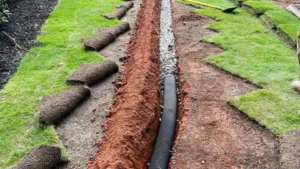
 A French drain collects water below or near the soil surface and redirects it through a gravel-lined trench with perforated pipe. Instead of allowing water to sit in the same place and repeatedly saturate the ground, the system gives it a controlled path away from the trouble area. That can help with muddy lawn sections, runoff near the home, and repeated soggy spots that never seem to dry out.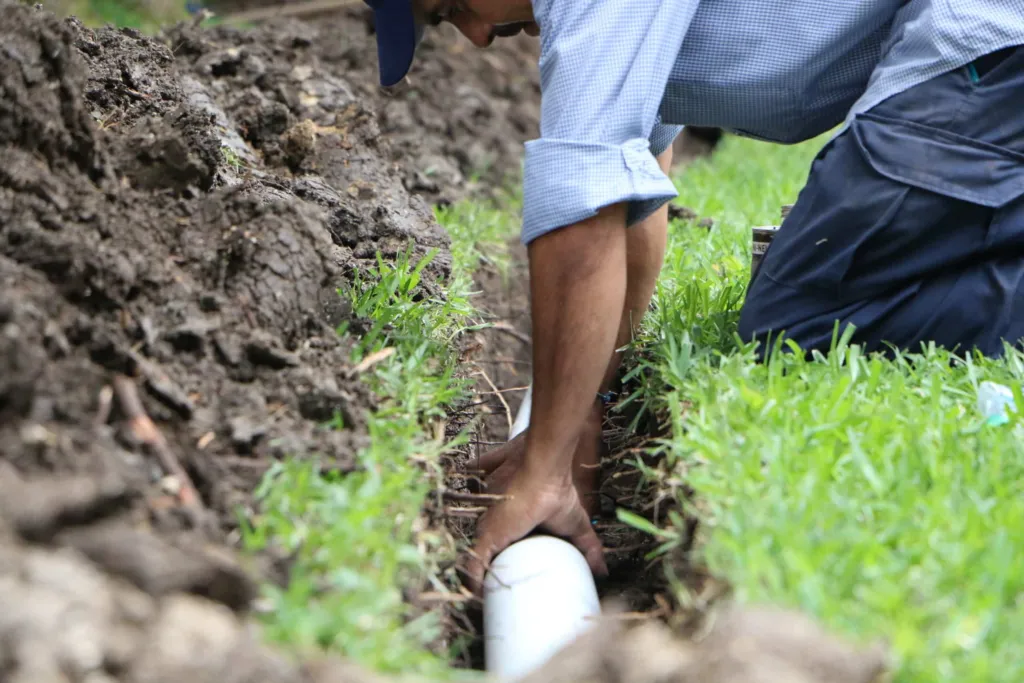
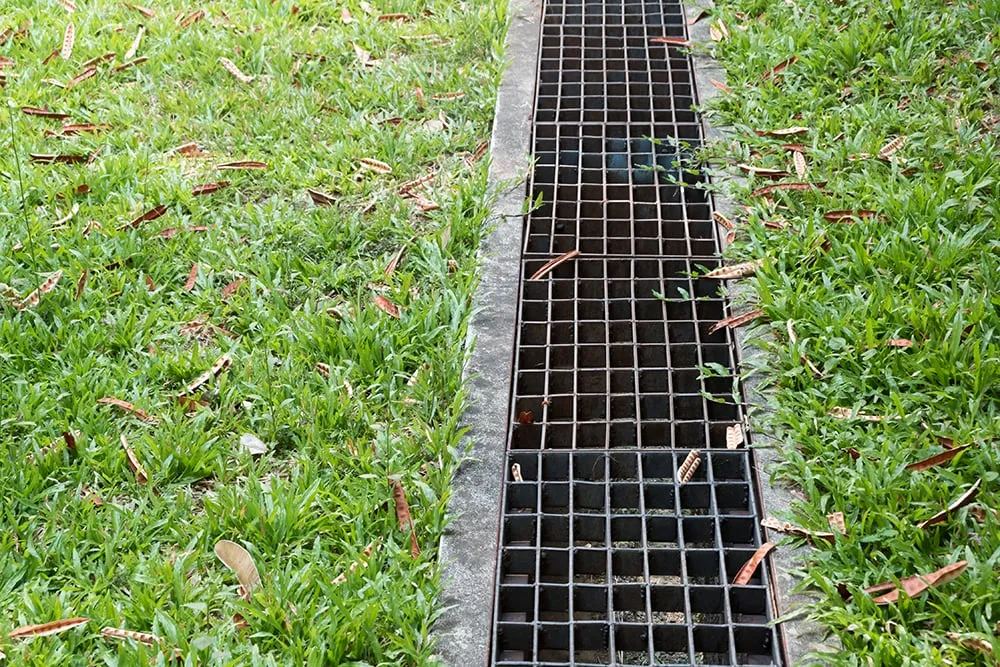
A French drain is not just about drying out the yard after rain. It is about controlling runoff before it causes repeated damage.
Not every property needs the same drainage setup. Andy’s positions drainage work as a custom solution based on slope, soil, layout, and where the water is actually collecting.
A standard French drain is often the right fit for shallow drainage issues in lawns, side yards, and planting areas where water tends to sit near the surface.
Some properties need a deeper system because the moisture issue goes below the surface or because the lot has limited fall. Deep drains can make more sense when a shallower trench would not solve the full problem.
When water keeps gathering too close to the house, a perimeter-style drainage setup may be the better option. These systems are designed to move water away from the structure before it keeps soaking the same vulnerable areas.
Some properties already have a drain, but it is clogged, undersized, damaged, or no longer working the way it should. In those cases, repair or replacement may make more sense than trying to work around a failing system.
A single downspout can overload one small section of the yard. Tying roof runoff into underground drainage can help keep that water from repeatedly flooding the same area.
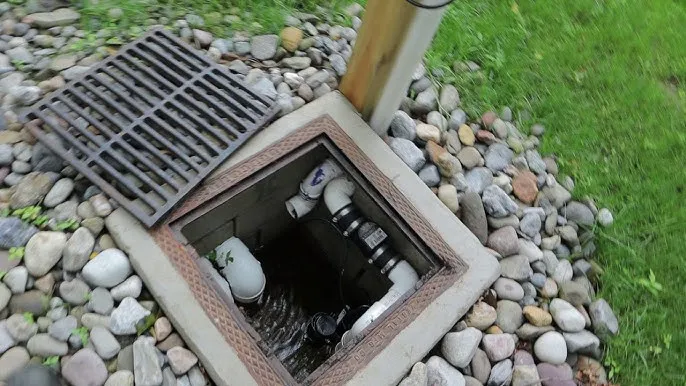
Depending on the property, the best drainage plan may also include channel drains, catch basins, grates, sump components, or grading improvements. Andy’s drainage pages explicitly pair French drains with those related systems.
Andy’s site consistently presents its service model as inspection first, then a custom plan, then professional completion. That same structure fits French drain projects in Bastrop.
Step
1
Site Inspection and Drainage Assessment
The first step is understanding how water is moving across the property, where it is collecting, how the yard slopes, and which areas are most affected.
Step
2
Custom Drainage Design
Once the problem is clear, the drain path, depth, pipe layout, and discharge point can be planned around the lot itself.
Step
3
Professional Installation
Installation usually includes trenching, placing gravel and pipe, and tying in any needed drainage components so the system can move water more effectively over time.
Step
4
Testing and Final Walkthrough
Before the project wraps up, the system should be checked and reviewed so the homeowner understands what was installed and how it is designed to work.
The right drainage solution depends on where the water is coming from and how persistent the problem is.
Andy’s presents itself as a company that has served customers since 1987, uses licensed technicians, and treats clients like family. Its Bastrop and Austin-area pages also emphasize practical recommendations, property-specific solutions, and a whole-system approach to drainage.
Drainage problems are not always caused by one obvious issue. Sometimes it is a combination of runoff, slope, roof discharge, and how the soil responds after rain. Andy’s specifically says it takes a whole-system approach and relies on science, not guesswork, when solving drainage issues in Bastrop.
Homeowners want to know what is causing the problem, what the solution is, and why that solution makes sense for the property. Andy’s Bastrop page highlights thorough explanations and written estimates, which fits the company’s straightforward, service-first tone.
Andy’s serves the Austin market and surrounding communities, and Bastrop is already part of its Austin-area service footprint. The Austin service pages also reference nearby communities such as Cedar Park, Pflugerville, Round Rock, and Lakeway.
If water keeps collecting in the same area, the lawn stays muddy too long, or runoff is getting too close to the house, a French drain may be the right answer.
The cost depends on the size of the project, how deep the system needs to go, and whether additional drainage features are needed.
That depends on the scope of the work, site access, and whether additional drainage components are needed.
Some trenching is part of the process, but the work should be planned carefully to solve the drainage issue without creating unnecessary disruption.
A French drain handles water below or near the soil surface. A trench or channel drain is installed at the surface to catch runoff across hardscape areas.
Yes, in many cases they can. That is often a strong way to manage concentrated roof runoff.
They can work very well when they are designed properly around runoff patterns, discharge, and local site conditions.
There is no one-size-fits-all depth. Some drainage problems need only a shallow system, while others need a deeper approach.
They are usually low maintenance, but they should still be checked periodically to make sure water is moving through the system the way it should.
Yes. If water keeps collecting near the home, a French drain can help move it away before it continues building up around the structure.
Yes. If a drain is no longer working, it can be inspected to determine whether repair, rerouting, or replacement makes the most sense.
Flat lots can still be drained, but they usually need more careful planning and sometimes additional drainage components.
If your yard has areas that stay wet, runoff that keeps damaging the landscape, or water collecting too close to the house, it is worth solving before the next round of storms. Andy’s can evaluate the property, explain the issue clearly, and build a French drain system designed around the way your Bastrop yard actually drains.