We work on most residential sprinkler systems and understand the watering challenges that come with Austin properties.

Sprinkler Repair
We work on most residential sprinkler systems and understand the watering challenges that come with Austin properties.
Call us today to lock in your savings.
Opt into our text messaging system to begin scheduling your service!
If your sprinkler system is not watering the way it should, it usually does not take long to notice. Maybe one part of the yard is drying out while another stays soaked. Maybe a head is spraying the driveway, a zone is not turning on, or your water bill suddenly looks higher than normal. These are the kinds of problems that can quietly get worse if they are left alone.
Our team provides sprinkler and irrigation repair in Austin, TX for homeowners and light commercial properties that need fast, dependable help. We repair leaks, broken heads, pressure issues, valve problems, timer malfunctions, and other common irrigation failures. In a city like Austin, where long heat spells and dry conditions can stress a lawn quickly, a working irrigation system is not something most property owners want to put off.
From established neighborhoods to newer developments, we help customers in Austin and nearby areas like Cedar Park, Pflugerville, Round Rock, and Lakeway keep their irrigation systems working the way they should.
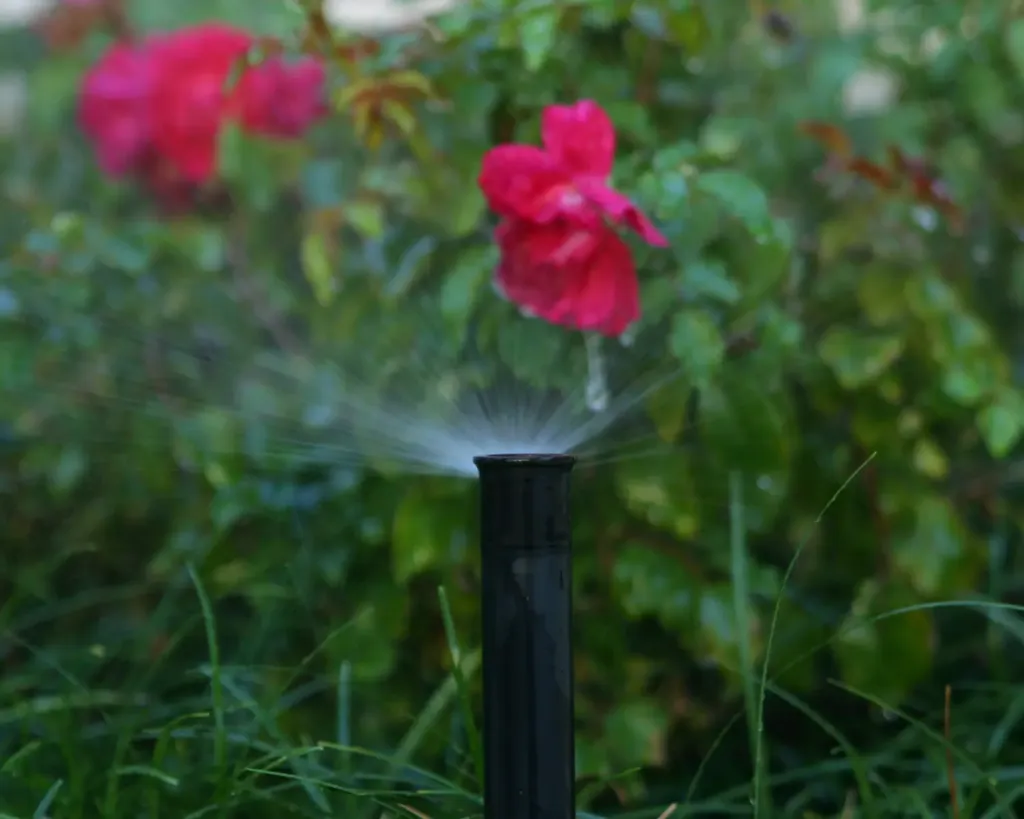
Most irrigation problems start in a simple way. A head gets cracked. A line develops a leak. A valve stops opening correctly. The timer loses its settings. Over time, those smaller issues affect the whole system.
Broken heads are one of the most common sprinkler repairs we see. They often get damaged by lawn equipment, accidental impact, wear over time, or water pressure issues.
Sometimes the problem is obvious right away. A head may spray sideways, fail to pop up, or dump too much water into one small area. Other times, it just creates poor coverage that leaves sections of the yard too dry. Even one damaged head can throw off an entire zone.
A leaking line can waste a surprising amount of water, especially if the problem is underground and not easy to spot. Pipe cracks, root pressure, shifting soil, and worn fittings are all common causes.
You might notice soggy patches in the grass, bubbling soil, water that seems to collect in one spot, or an increase in your water bill without any other clear reason. Leaks often start small, but they can become expensive if they are ignored.
Valves control the flow of water to each zone. When one stops working correctly, the system can become inconsistent fast.
A zone may stay on too long, fail to turn on at all, or run at odd times. In some cases, the issue is the valve itself. In others, it may be related to the solenoid or electrical connection. Either way, when a valve is not responding properly, the system cannot water the yard the way it was designed to.
Low pressure can make a sprinkler system look like it is working when it really is not doing enough. Heads may barely rise, spray distance may shrink, or the water pattern may become uneven.
This can happen because of leaks, clogs, bad valves, regulator issues, or backflow-related problems. In Austin, low pressure becomes especially noticeable in warmer months when healthy turf depends on full and even coverage.
Not every irrigation problem comes from the heads or pipes. Sometimes the issue starts at the controller. A system may be programmed incorrectly, lose its schedule, skip zones, or run at the wrong time of day.
Wiring problems, electrical issues, and aging timers can all cause these kinds of problems. In some cases, the system still runs, but it is doing so inefficiently. In others, it may stop running certain zones altogether.
 We repair many of the parts that affect how your irrigation system performs, including:
Sprinkler heads and nozzles
PVC irrigation pipes
Drip irrigation tubing
Solenoid valves
Manifolds
Backflow preventers
Rain sensors
Smart irrigation controllers
Sprinkler timers
Wire connections
Pump systems
Water pressure regulators
We repair many of the parts that affect how your irrigation system performs, including:
Sprinkler heads and nozzles
PVC irrigation pipes
Drip irrigation tubing
Solenoid valves
Manifolds
Backflow preventers
Rain sensors
Smart irrigation controllers
Sprinkler timers
Wire connections
Pump systems
Water pressure regulatorsNo one wants a vague service visit where the issue is never clearly explained. Our process is focused on finding the problem, fixing what needs attention, and making sure the system is actually working before the job is finished.
Step
1
Irrigation System Inspection
We start by inspecting the system as a whole. That includes checking the zones, sprinkler heads, valves, visible lines, and controller settings. The goal is to understand how the system is behaving and where the problem may be starting.
Step
2
Diagnose the Problem
Once the system is running, we can narrow down what is causing the issue. That may be a leak, bad valve, low pressure, poor alignment, electrical problem, or a combination of smaller failures happening at once.
Step
3
Repair or Replace Components
After the issue is identified, we repair damaged components or replace worn parts that are no longer functioning properly. That might involve a sprinkler head, timer part, valve, section of pipe, or other irrigation hardware.
Step
4
System Optimization
Once the repair is complete, we make practical adjustments to improve performance. That may include repositioning heads, correcting spray direction, improving zone coverage, or reducing overspray onto hard surfaces.
Step
5
System Testing
Before the service is complete, we run the system again to make sure the repair works and the affected zone is performing correctly. That final test helps confirm that the yard is getting more even coverage and the original issue has been addressed.
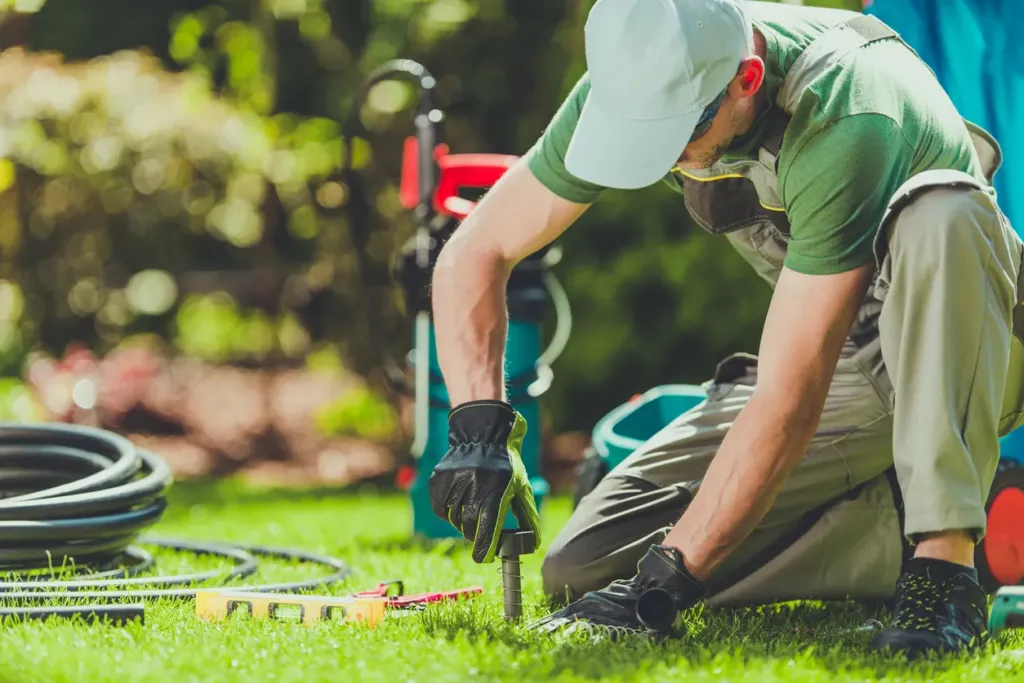
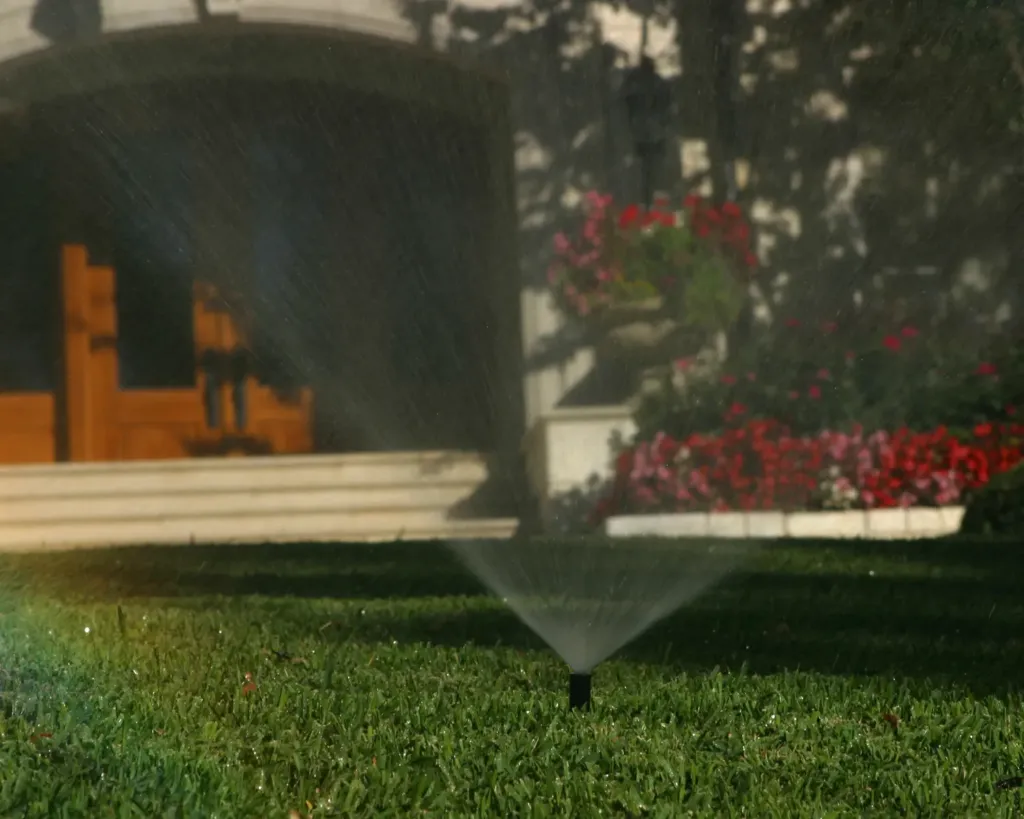
Irrigation systems usually need different attention as the seasons change. A schedule that works in one part of the year may not make sense a few months later.
In addition to sprinkler repair, we also help with related irrigation needs such as:
Sprinkler system inspections
Sprinkler system tune-ups
Drip irrigation installation
Irrigation rerouting
Smart irrigation controller upgrades
Water efficiency audits
Seasonal maintenance plans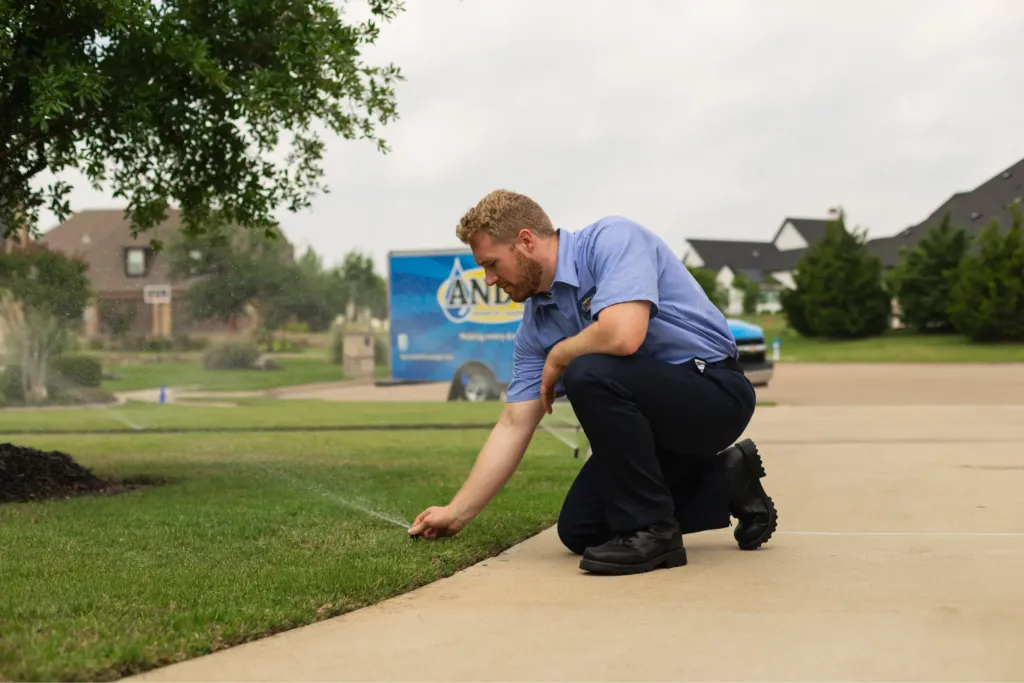
It depends on what is wrong with the system. Replacing one broken head is usually much simpler than finding a buried leak or repairing a faulty valve. The best way to get an accurate idea of cost is to start with an inspection and identify the exact issue.
Many repairs can be completed in one visit, especially if the issue is isolated to a specific zone or component. More involved repairs may take longer if the problem affects multiple areas or requires deeper troubleshooting.
That depends on whether we need access to the controller, shutoff, backyard gate, or any part of the property that is locked. Some repairs can be handled with minimal on-site involvement, while others are easier if the homeowner is available.
We repair most residential sprinkler systems and many light commercial irrigation systems, including spray heads, rotors, drip irrigation components, valves, timers, sensors, and controllers.
A yearly inspection is a good rule for most properties. In Austin, many homeowners also prefer to have the system checked before summer, when irrigation performance becomes more important.
If your sprinkler system is leaving dry spots, wasting water, running at the wrong time, or not keeping up with your landscape, it may be time for a repair visit. Getting the system checked now can help prevent larger problems later and keep your lawn in better shape through the Austin season. Schedule sprinkler and irrigation repair service in Austin, TX today.