We handle sump pump installation, sump pump repair, sump pump replacement, battery backup sump pumps, and routine sump pump maintenance in Austin.


Sump Pump
We handle sump pump installation, sump pump repair, sump pump replacement, battery backup sump pumps, and routine sump pump maintenance in Austin.
Call us today to lock in your savings.
Opt into our text messaging system to begin scheduling your service!
Most homeowners do not think much about a sump pump until water starts showing up where it should not. Maybe the crawl space feels damp after a storm. Maybe water keeps collecting in a low area near the house. Maybe the soil around the foundation stays saturated longer than it should. When that starts happening, a sump pump can be one of the most important pieces of protection on the property.
A sump pump is built to move excess water out of a sump pit, crawl space, or drainage basin and send it away from the home. That matters in Austin more than people sometimes realize. Central Texas can go from dry weather to heavy rain in a hurry, and when the ground is already hard or clay-heavy, water does not always soak in the way homeowners expect. Instead, it collects, lingers, and starts creating problems in the places you least want it.
If your home deals with repeated moisture, drainage trouble, or stormwater buildup, a working sump pump system can help take pressure off the property before that water turns into real damage.
Not every home needs the same setup. Some Austin properties need a completely new sump pump system. Others already have one, but it is old, unreliable, or no longer strong enough for the amount of water it has to move.
A sump pump installation is often the right choice when a home has recurring water issues but no active pumping system in place. This is common in homes with crawl spaces, drainage pits, or areas where water tends to gather after storms.
The process starts with looking at how water is moving around the property and where it is building up. From there, the sump pit location, pump type, and discharge route are planned around the home itself. The goal is not just to install a pump. It is to make sure the water actually gets carried far enough away that it does not come right back toward the house.
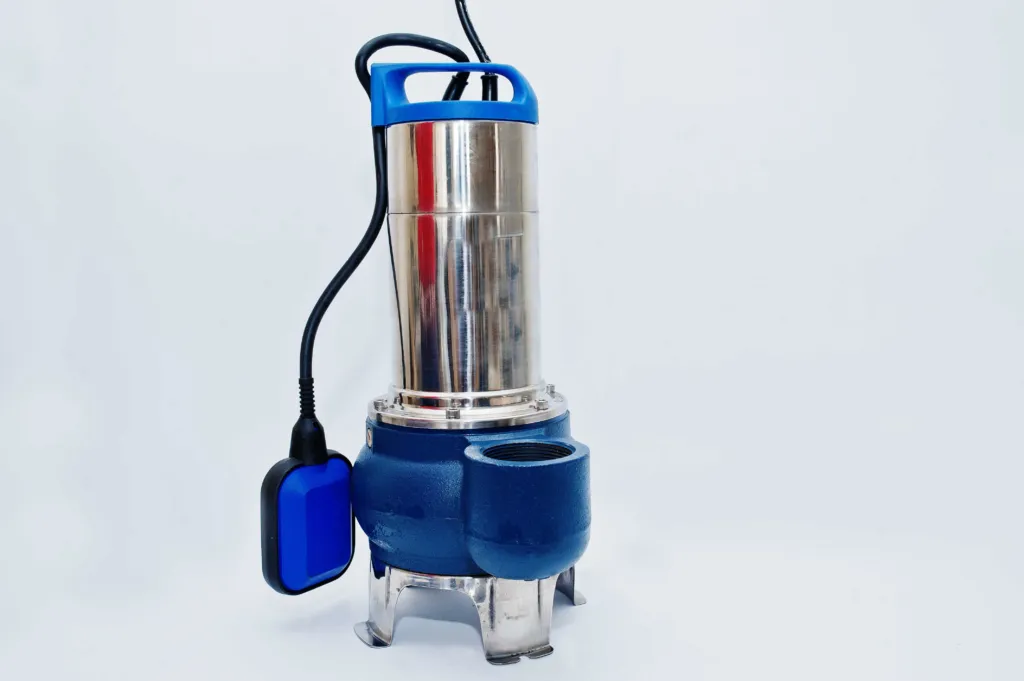
In Austin, sump pumps may be installed in crawl spaces, drainage basins, or around other low areas where water tends to settle. Depending on the site, the system may use a submersible sump pump or a pedestal model.
A good installation matters because a pump that is undersized, poorly placed, or draining to the wrong spot can leave the home with the same problem it started with.
Sump pumps usually give some kind of warning before they fail completely, but those signs are easy to miss if you are not looking for them.
We repair sump pumps that stop turning on, pumps that run without removing much water, systems that cycle too often, and pumps that cannot keep up when heavy rain hits. We also fix stuck float switches, clogged discharge lines, worn motors, bad check valves, and backup systems that no longer respond the way they should.
Sometimes the issue is with the pump itself. Other times the pump is still working, but something around it is keeping the system from doing its job. That is why a repair visit usually starts with checking the whole setup instead of replacing parts blindly.
Sump pumps wear out over time, especially if they have to work hard during storm season. Many systems last somewhere around 7 to 10 years, but that depends on how often they run and how demanding the drainage conditions are.
Replacement often makes sense when the pump has become unreliable, noisy, rusted, or simply too small for the amount of water it needs to handle. If a sump pump keeps needing repairs, struggles during strong rain, or sounds rough every time it turns on, it may be close to the end of its useful life.
A newer sump pump can offer stronger performance, quieter operation, and more dependable protection when the weather turns bad. In Austin, where a single storm can suddenly bring a lot of water at once, having the right size pump matters more than most people think.
Power outages and heavy storms have a bad habit of showing up together. That is one of the main reasons battery backup sump pumps are worth considering.
A battery backup system takes over when the main pump loses power or when the primary unit cannot keep up on its own. That added protection can make a major difference during severe weather, especially if the home already has a history of moisture problems or water intrusion.
For many homeowners, the backup system is what helps them stop worrying about what happens if the lights go out during the exact storm that puts the property under the most strain.
A sump pump can sit quietly for months and then suddenly be expected to work perfectly during the worst rain of the year. That is why routine maintenance is worth doing before the system is under pressure.
Maintenance usually includes cleaning the pit, clearing debris, checking the discharge line, testing the float switch, inspecting the check valve, and making sure the pump actually turns on and moves water properly. If there is a battery backup, that system should be tested too.
Most homes benefit from a yearly sump pump check. In Austin, many homeowners like to schedule it before the wetter part of the year, when storms become more frequent and drainage problems are more likely to show up.
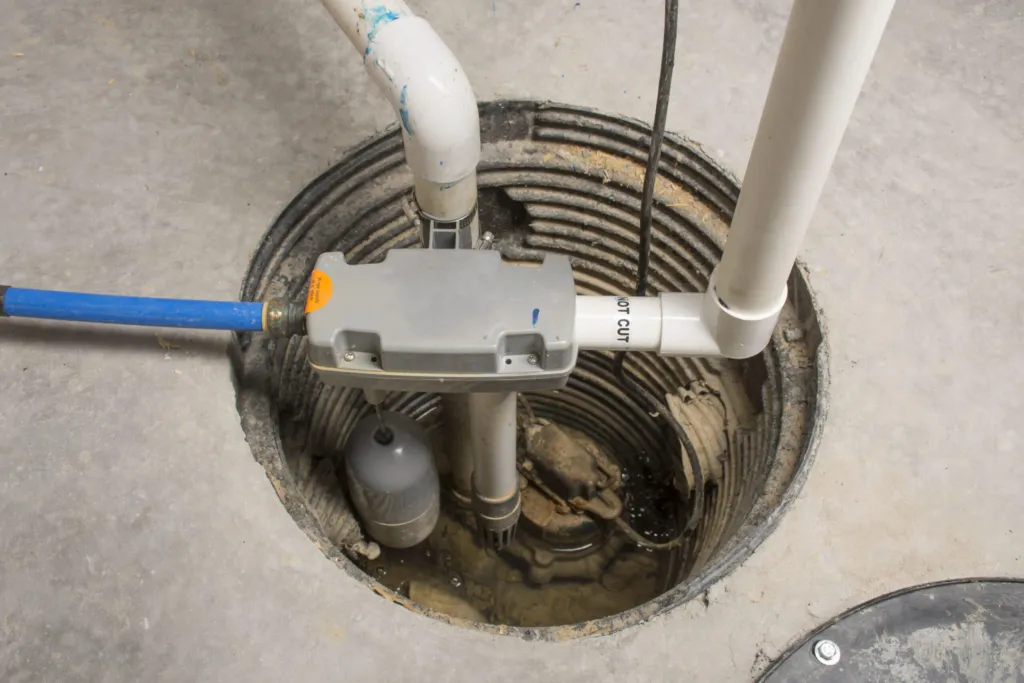
We fix a wide range of sump pump and drainage issues, including clogged discharge pipes, broken float switches, failed motors, bad check valves, overflowing pits, weak backup batteries, and pumps that are simply not sized correctly for the home.
We also see situations where the pump turns on and seems to be working, but the discharged water is ending up too close to the house and creating a new cycle of moisture around the same area. In those cases, the pump is only part of the issue. The discharge plan has to be corrected too.
Austin is not a city where it rains every day, but when it rains hard, drainage issues can show up quickly. Dry weather can leave the ground firm and less absorbent. Then one major storm moves through and drops more water than the soil can handle at once.
Clay-heavy soil makes that more noticeable because it tends to hold moisture near the surface instead of letting it drain away quickly. That can leave the ground around the house saturated longer than expected and create pressure in low areas around the property.
For some homes, that means crawl space moisture. For others, it means water hanging around the foundation or pooling in drainage basins that need help clearing out. A sump pump gives that water a way out before it has more time to sit near the structure.
A sump pump collects water in a sump pit or drainage basin and pumps it away from the home. Its purpose is to help prevent flooding and reduce moisture around low areas of the property.
Homes with crawl space moisture, repeated stormwater intrusion, low areas that collect water, or drainage issues near the foundation may benefit from a sump pump system.
The cost depends on the type of pump, the complexity of the installation, the discharge setup, and the overall property layout. A straightforward install is different from a larger system with a battery backup or added drainage work.
Most sump pumps last around 7 to 10 years, though actual lifespan depends on use, maintenance, and how hard the system has to work.
A yearly inspection is a good starting point for most homes. In Austin, many homeowners prefer to have the system checked before storm season.
That can happen because of high groundwater, a stuck float switch, a discharge issue, or a pump that is too small for the amount of water it is handling.
A battery backup is a smart upgrade for homes that want protection during power outages or severe storms. It helps the system keep working when the main unit cannot.
If your home is dealing with crawl space moisture, standing water, or repeated drainage issues after rain, it may be time to look at the sump pump system more closely. Whether you need a new installation, a repair, a replacement, or backup protection, the right setup can help move water away before it becomes a bigger problem. Schedule sump pump service in Austin, TX today.