We install French drain systems in Charleston for homeowners dealing with soggy grass, erosion, side-yard drainage issues, and runoff that keeps gathering where it should not.
Yard Drainage
We install French drain systems in Charleston for homeowners dealing with soggy grass, erosion, side-yard drainage issues, and runoff that keeps gathering where it should not.
Call us today to lock in your savings.
Opt into our text messaging system to begin scheduling your service!
In Charleston, it does not take much rain for a yard problem to show up. One storm passes through, and suddenly there is water sitting in the same low spot again. The side yard feels soft for days. Mulch moves out of the beds. Water starts creeping toward the house, the patio, or the fence line. If that keeps happening, the yard is usually telling you it needs a better way to drain.
That is where a French drain can help. We install French drain systems in Charleston for homeowners dealing with water that will not move out on its own. The goal is simple. Get excess water away from the parts of the property where it keeps causing trouble.
Around Charleston, drainage issues can be stubborn. The area gets regular rain, the air stays humid, and many properties do not dry out as quickly as people expect. Some lots are flatter than they look. Others collect runoff from roofs, hardscapes, or neighboring areas. That is why a drainage fix has to make sense for the property itself, not just the wet spot you happen to notice first.
Some drainage problems are obvious right away. Others build slowly until the same pattern becomes impossible to ignore.
You may need a French drain if water keeps collecting in one area of the yard, the lawn stays muddy long after a storm, or the ground near the house never seems to fully dry out. Some homeowners notice puddles. Others notice eroded beds, soft grass, runoff from downspouts, or wet spots near walkways and patios.
It is also common to see drainage issues show up along fences, in side yards, or in the back corners of the lot where water has a way of settling and staying put. In Charleston, mosquito activity often picks up around these damp areas too, especially when the yard never gets the chance to fully dry.
When water keeps settling near the foundation, it is usually something homeowners want addressed sooner rather than later. A French drain helps move that moisture away from the home instead of letting it sit there after every storm.
Wet areas can make a yard harder to use, harder to mow, and harder to keep looking healthy. A drain system helps those spots dry out faster and cuts down on recurring puddles.
When runoff keeps moving through beds or low landscape edges, it can carry mulch and soil with it. A French drain helps intercept that water before it keeps reshaping the yard.
Grass and plant roots usually do better when the soil is not constantly oversaturated. Better drainage can help prevent the kind of lingering wetness that leads to thinning turf and stressed plants.
A drier yard is easier to walk through, easier to maintain, and less frustrating after a storm. Fewer muddy areas also means less mess getting tracked back toward the house.
Drainage problems do not all come from the same source, so the right solution depends on what the property is doing with water.
Standard French drains are often used for wet lawn areas, side yards, and places where water keeps collecting close to the surface. These systems are a common fix for recurring soggy spots.
Some properties need a deeper system because the problem is not just surface water. If moisture is building below grade or a shallow drain has not solved the issue, a deeper system may make more sense.
When water is holding too close to the house, a perimeter drain may be the better option. These systems are used to help redirect moisture away from the structure and reduce repeated wetness near the foundation.
Sometimes there is already a drain on the property, but it no longer works the way it should. It may be clogged, crushed, poorly sloped, or simply not large enough for the amount of water it needs to handle. In those cases, repair or replacement may be the better route.
Downspouts can send a surprising amount of water into one area. Tying them into a drainage system can help move that roof runoff farther away so it does not keep saturating the same part of the yard.
Some properties need more than one solution working together. Depending on the layout, we may recommend catch basins, channel drains, pop-up emitters, grading adjustments, or other drainage improvements along with the French drain.
Step
1
Site Inspection and Drainage Assessment
We begin by looking at where the water starts, where it travels, and where it finally collects. That includes low areas, roof runoff, slope, and any places where the yard is holding more water than it should.
Step
2
Custom Drainage Design
Once the problem is clear, we lay out a drainage plan that fits the property. That includes the trench path, pipe depth, drainage material, and the best discharge route based on the lot.
Step
3
Professional Installation
Installation may involve trenching, gravel placement, drain pipe installation, filter fabric, and connecting downspouts or other drainage features where needed. The system is built to move water efficiently without creating a new wet area somewhere else.
Step
4
Testing and Final Walkthrough
Before the job is finished, the system is checked to make sure water can move through it properly. We also go over the completed work with the homeowner and explain what to keep an eye on over time.

We help Charleston homeowners with wet yards, standing water, muddy grass, runoff near the foundation, drainage issues near patios and walkways, saturated side yards, overflowing downspout areas, eroded beds, and low spots that stay wet after every storm.
If the same area of your yard keeps staying wet, turning muddy, or collecting runoff after storms, a French drain may be the right solution. A site inspection can help confirm whether the issue is surface water, subsurface moisture, or both.
The price depends on the size of the drainage problem, the length and depth of the system, and whether other drainage features are needed. A small yard drain is usually less involved than a larger system near the home or across several trouble spots.
That depends on the property and the scope of the work. Some projects are fairly simple, while others take longer because of depth, access, lot layout, or extra drainage components.
There is some temporary disruption because trenching is part of the work. The goal is to solve the drainage issue while keeping the impact to the surrounding yard as limited as possible.
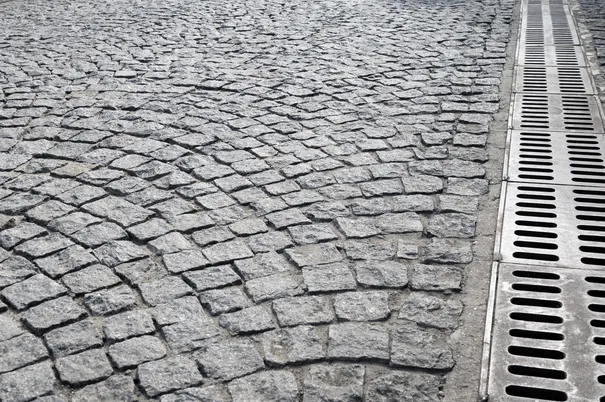
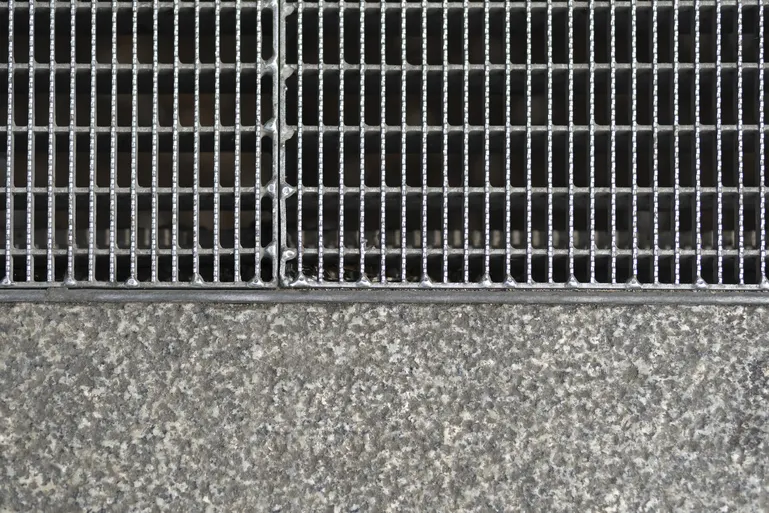
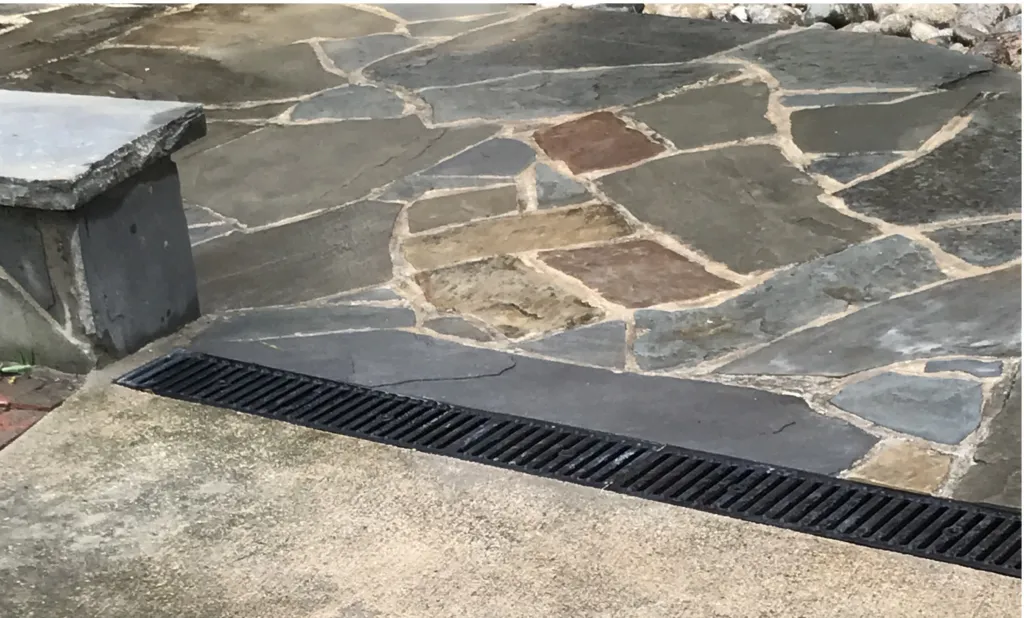
A French drain collects water below or near the surface and moves it underground. A trench drain, often called a channel drain, is set at the surface to catch water flowing across concrete or other hardscape areas.
Yes, in many cases they can. This is a common way to handle concentrated roof runoff and keep that water from dumping near the house.
Yes, but the design matters. In a place like Charleston, where rain and humidity are part of the picture, the drain needs to be planned correctly so it can move water effectively and hold up over time.
That depends on the property and what kind of water problem it has. Some yards only need a shallow system, while others need a deeper drain to deal with ongoing saturation or water near the home.
They are generally low maintenance, but it is still smart to check the outlet once in a while and make sure the system is draining properly.
Yes. One of the main reasons homeowners install French drains is to help move water away from the home and reduce repeated moisture near the foundation.
Yes. If an older drain is no longer working, we can inspect it and determine whether repair, rerouting, or full replacement makes the most sense.
Flat yards can still be drained, but the system usually needs more careful planning. In some cases, that may mean a deeper drain, added collection points, or a pump-assisted solution.
If your yard keeps holding water, staying muddy, or sending runoff toward the house, it is worth fixing before the next round of storms. A properly designed French drain can help your property dry out faster and handle Charleston rain more effectively. Schedule your French drain estimate in Charleston, SC today.