We work on most residential sprinkler systems and understand the watering challenges that come with Charleston properties.

Sprinkler Repair
We work on most residential sprinkler systems and understand the watering challenges that come with Charleston properties.
Call us today to lock in your savings.
Opt into our text messaging system to begin scheduling your service!
A sprinkler system does not have to completely quit before it starts causing problems. Sometimes the signs are small at first. A patch of grass near the driveway starts fading. One flower bed gets soaked while the rest of the yard looks thirsty. A head keeps spraying in the wrong direction, or one zone simply stops turning on. These are the kinds of issues that waste water quietly and put stress on the landscape at the same time.
We provide sprinkler and irrigation repair in Charleston, TX for homeowners and light commercial properties that need the system working again without the runaround. Our team repairs broken sprinkler heads, underground leaks, valve problems, timer issues, and low-pressure trouble that keeps the yard from getting even coverage. Around Charleston, where warm weather can dry out turf fast and summer watering matters, a small irrigation issue usually does not stay small for long.
We work on most residential sprinkler systems and understand how Texas heat, dry stretches, and changing seasonal conditions can affect irrigation performance. We serve Charleston and nearby areas including Cooper, Paris, Commerce, and surrounding Northeast Texas communities.
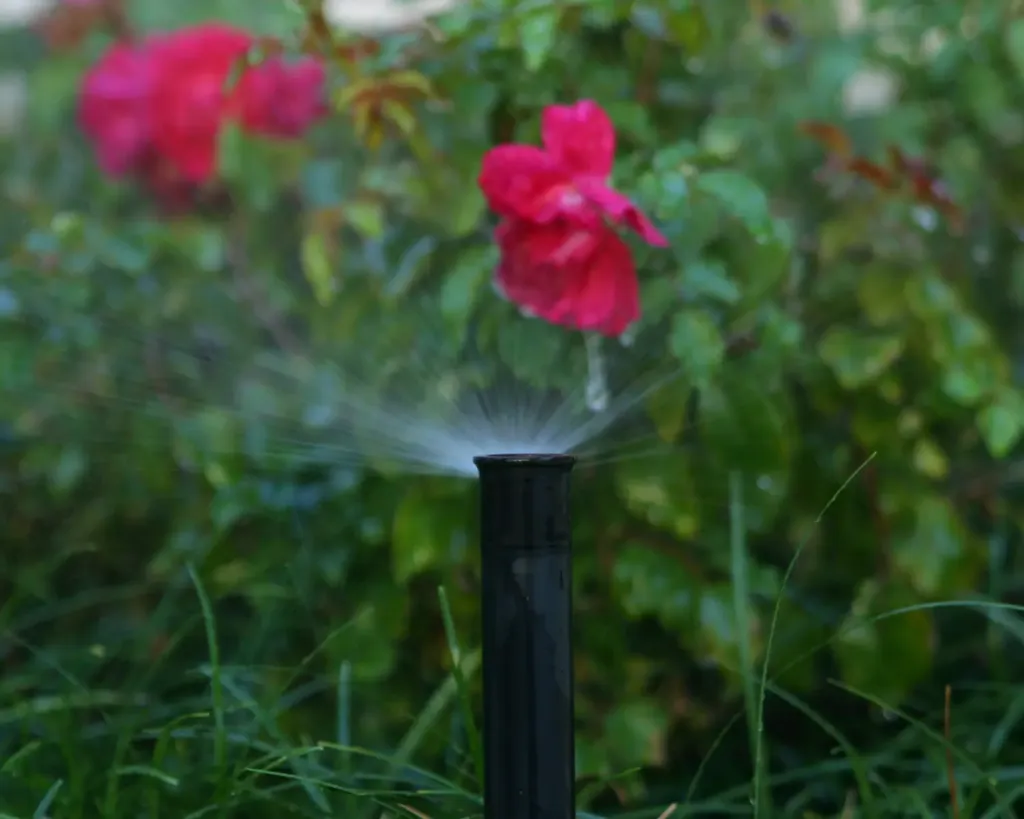
Sprinkler systems put in a lot of work over the course of a year. Parts wear down, fittings loosen, heads get damaged, and weather conditions can expose weak spots in the system. Some issues are easy to see right away. Others build slowly until the lawn starts showing stress.
Broken heads are one of the most common problems we see. They can be damaged by mowing, edging, foot traffic, age, or pressure changes in the system.
Sometimes the damage is obvious because water is shooting sideways or pooling in one spot. Other times, the head just does not rise fully or no longer sprays with enough reach. Even one damaged head can leave a section of the yard under-watered while wasting water at the same time.
Leaks in irrigation lines are often harder to catch because they may be underground. Cracked pipe, loose fittings, root pressure, and ground movement are all common causes.
You may notice a section of lawn that stays wet longer than it should, bubbling soil during a cycle, a greener strip through one part of the yard, or a water bill that climbs without a clear reason. A hidden leak can continue wasting water for weeks if it is not found.
Valves direct water to each zone, so when they start failing, the system can become unpredictable. A valve might stay open, refuse to open, or respond only some of the time.
That can lead to zones that run too long, zones that do not turn on at all, or inconsistent watering from day to day. In some cases the problem is mechanical. In others, it is tied to the solenoid or wiring.
Low pressure usually shows up as weak spray, poor coverage, or heads that struggle to pop up all the way. It may look like the system is still working, but the lawn is not getting what it needs.
This can be caused by line leaks, clogged nozzles, worn valves, backflow issues, or pressure regulation problems. During hotter months in Charleston, low pressure often becomes more noticeable because the grass is less forgiving when coverage starts to drop.
Not every irrigation problem starts outside. Sometimes the controller is where things go wrong. A timer may lose its settings, skip zones, repeat cycles, or water at times that no longer make sense for the property.
That may come from programming errors, wiring problems, storm-related electrical issues, or older equipment starting to fail. When the schedule is off, even a system with good hardware can still waste water or leave the yard stressed.
 We repair many of the parts that affect irrigation performance, including:
Sprinkler heads and nozzles
PVC irrigation pipes
Drip irrigation tubing
Solenoid valves
Manifolds
Backflow preventers
Rain sensors
Smart irrigation controllers
Sprinkler timers
Wire connections
Pump systems
Water pressure regulators
We repair many of the parts that affect irrigation performance, including:
Sprinkler heads and nozzles
PVC irrigation pipes
Drip irrigation tubing
Solenoid valves
Manifolds
Backflow preventers
Rain sensors
Smart irrigation controllers
Sprinkler timers
Wire connections
Pump systems
Water pressure regulatorsMost property owners do not want a complicated explanation. They want to know what is wrong, what needs to be fixed, and whether the system is going to work properly again. We keep the process straightforward.
Step
1
Irrigation System Inspection
We start by running the system and checking each active zone. That helps us see how the heads, valves, controller, and visible lines are performing under normal use.
Step
2
Diagnose the Problem
Once the system is operating, we narrow down the actual source of the issue. That might be a broken head, leaking pipe, bad valve, timer problem, wiring fault, or low-pressure condition.
Step
3
Repair or Replace Components
After the cause is identified, we repair working parts where it makes sense and replace parts that are worn out or too damaged to keep doing the job.
Step
4
System Optimization
Once the main repair is complete, we make practical adjustments that help the system perform better overall. That may include correcting spray direction, aligning heads, and reducing overspray onto pavement or structures.
Step
5
System Testing
Before finishing, we run the system again to confirm the repair solved the problem and the affected zones are watering more evenly than before.
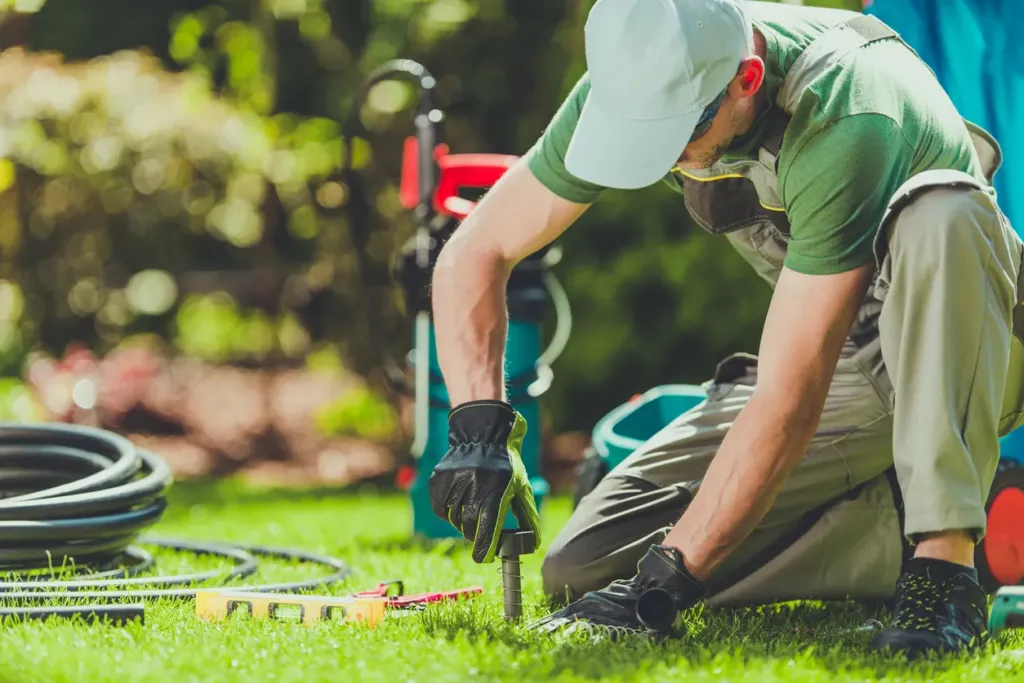
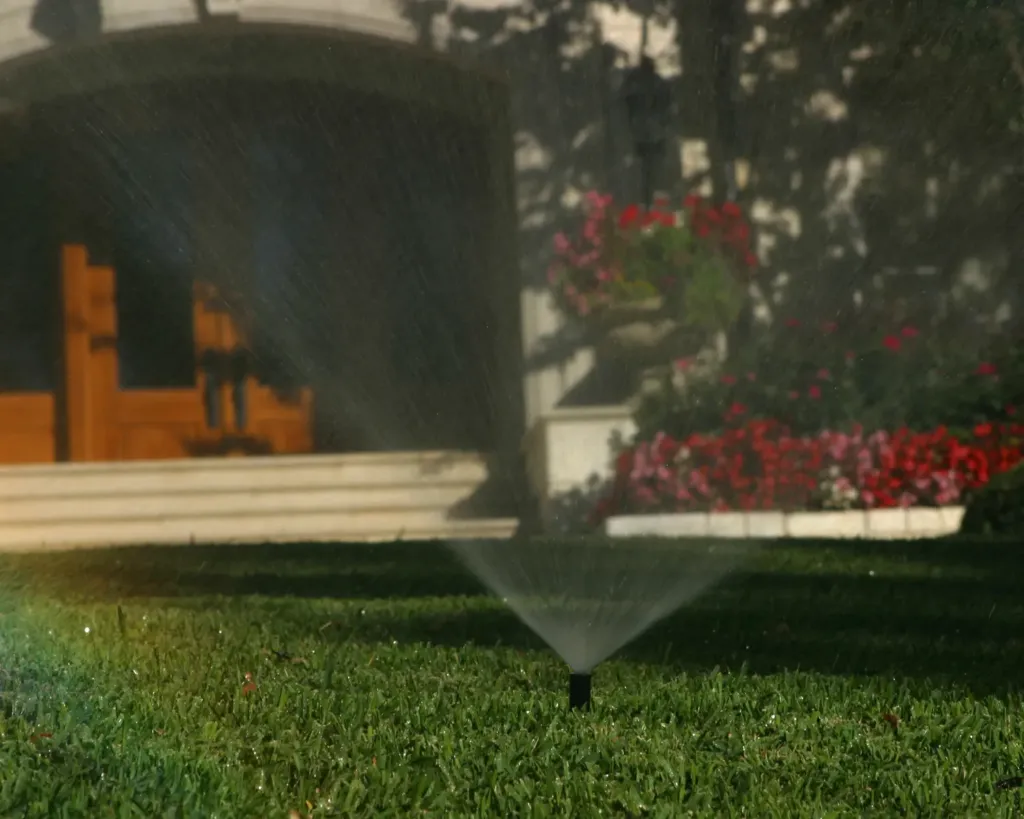
Watering needs shift through the year, and a sprinkler system should shift with them. Seasonal maintenance helps keep the system efficient instead of letting it run on the same settings month after month.
We also help with related irrigation work, including:
Sprinkler system inspections
Sprinkler system tune-ups
Drip irrigation installation
Irrigation rerouting
Smart irrigation controller upgrades
Water efficiency audits
Seasonal maintenance plans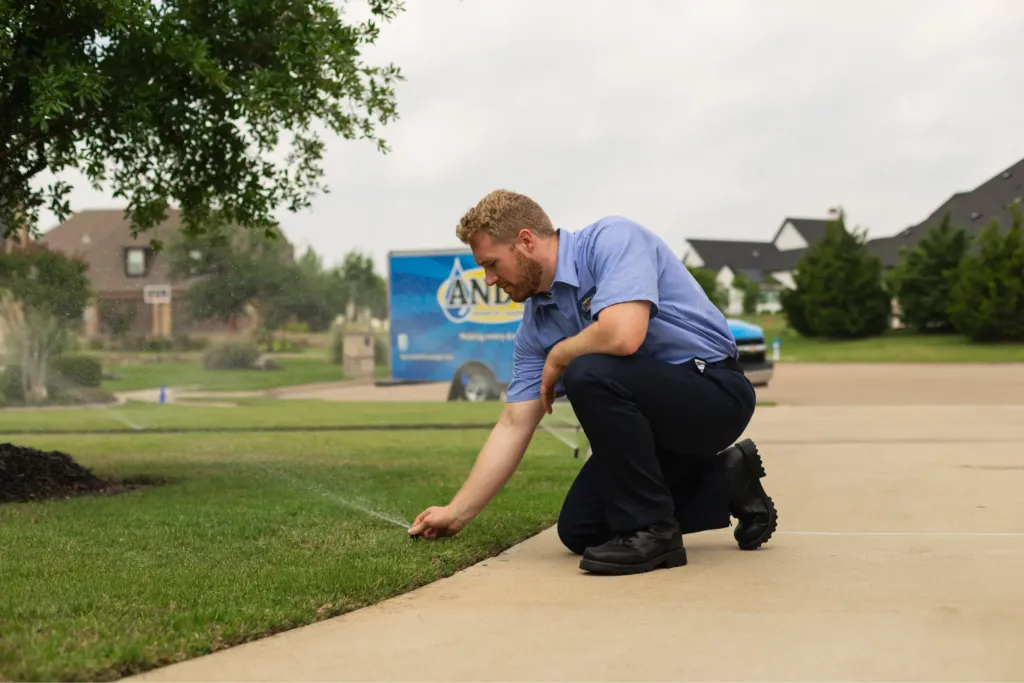
It depends on what is causing the problem. Replacing one damaged head is usually simpler than finding an underground leak or repairing a faulty valve or controller issue. The actual cost comes down to the type of repair and how much of the system is affected.
Many sprinkler repairs can be completed in one visit, especially when the issue is limited to a single zone or one damaged part. More involved problems can take longer when multiple zones are affected or the cause takes more troubleshooting.
Not always. It depends on access to the controller, the backyard, locked gates, and the system shutoff. Some properties are easy to service once access is available.
We repair most residential sprinkler systems and many light commercial systems, including spray heads, rotor systems, drip irrigation, valves, timers, sensors, and controllers.
Once a year is a good baseline for most properties. In Charleston, many homeowners also prefer a check in spring or early summer before the system starts working its hardest.
If your sprinkler system is leaking, watering unevenly, skipping zones, or leaving parts of the yard stressed, it may be time to get it checked. A timely repair can improve coverage, reduce wasted water, and help your landscape hold up better through the Charleston season. Schedule sprinkler and irrigation repair service in Charleston, TX today.