We install French drain systems in Oklahoma City for homeowners dealing with soggy grass, erosion, side-yard drainage issues, and runoff that keeps gathering where it should not.
Yard Drainage
We install French drain systems in Oklahoma City for homeowners dealing with soggy grass, erosion, side-yard drainage issues, and runoff that keeps gathering where it should not.
Call us today to lock in your savings.
Opt into our text messaging system to begin scheduling your service!
A drainage problem in Oklahoma City usually shows up the same way more than once. It rains hard, water starts collecting in the same low spot, and a few days later that area is still wet while the rest of the yard has mostly dried out. Sometimes it is a muddy patch near the fence. Sometimes it is runoff moving toward the patio or too much water sitting near the house. Either way, when the same pattern keeps repeating, the property usually needs a better path for water to leave.
That is where a French drain can help. Instead of letting stormwater sit in the yard or soak one section over and over, the system collects that water below the surface and redirects it away from the problem area. We install French drain systems in Oklahoma City for homeowners dealing with soggy lawns, erosion, runoff near the foundation, and low areas that stay soft after every storm.
Drainage in Oklahoma City is not always simple. Clay-heavy soil, intense rain, and changing weather conditions can all affect how a yard handles water. A drainage system has to match the lot, the slope, and the runoff pattern if it is going to solve the issue instead of just masking it for a while.
Some drainage issues are obvious the first time you see them. Others become more noticeable only after they happen again and again.
You may need a French drain if part of your yard keeps holding water after rain, the grass stays muddy longer than it should, or runoff repeatedly collects near the foundation. Other common signs include mulch washing out of beds, damp side yards, low spots that stay soft, and downspouts dumping too much water into one area.
In Oklahoma City, homeowners also deal with water moving across sloped sections of yard, bare spots where runoff keeps stripping the soil, and wet patches that make mowing difficult. These are usually signs that the yard needs more than a surface fix.
When water keeps collecting near the house, the surrounding soil stays wetter than it should. A French drain helps redirect that moisture so it is less likely to continue building up in the same place.
Wet spots can make a yard harder to use and harder to maintain. A drainage system helps those sections dry out sooner and cuts down on the puddling that keeps returning.
Fast-moving runoff can wash mulch, disturb flower beds, and pull soil away from landscape edges. A French drain helps intercept that water before it keeps reshaping the yard.
Grass and plants usually do better when the soil is not constantly swinging from too dry to overly saturated. Better drainage helps create more stable conditions after storms.
A drier yard is easier to mow, easier to walk through, and less frustrating after rain. Fewer muddy areas also means less mess tracked back toward the house.
No two properties drain exactly the same way. The right system depends on how water is moving and which part of the yard is being affected.
Standard French drains are often the right choice for common yard drainage issues where water keeps collecting near the surface. These systems work well in lawns, side yards, and landscaped sections.
Some properties need a deeper system because the water issue extends lower into the soil or because a shallow drain is not enough to relieve the saturation. Deep French drains are often used when moisture continues to return despite other drainage improvements.
When water is gathering too close to the house, a perimeter drain may be the better fit. These systems are designed to help move moisture away from the structure and reduce repeated wetness near the foundation.
Not every property needs a new system from the ground up. Sometimes there is already a drain in place, but it is clogged, damaged, crushed, or simply not designed well enough for the amount of water it has to handle.
Roof runoff can unload a lot of water into one concentrated area. Tying downspouts into an underground drain line helps move that water away instead of letting it flood the same spot every time it rains.
Some Oklahoma City properties need more than one drainage feature working together. Depending on the yard, that may include catch basins, channel drains, pop-up emitters, grading adjustments, or a sump-assisted solution.
Step
1
Site Inspection and Drainage Assessment
We begin by looking at where the water starts, where it travels, and where it settles. That includes low spots, roof runoff, slope, hardscapes, and the best available discharge options.
Step
2
Custom Drainage Design
Once the drainage pattern is clear, we design a system around the lot. That includes trench location, pipe depth, materials, routing, and where the water will exit the system.
Step
3
Professional Installation
Installation may include trenching, gravel placement, perforated pipe, filter fabric, and tie-ins to downspouts or other drainage components where needed. The goal is to solve the water issue without creating a new one somewhere else.
Step
4
Testing and Final Walkthrough
Before the job is finished, the system is checked to make sure water can move through it the way it should. We also go over the completed layout and explain what to monitor over time.

We help Oklahoma City homeowners with standing water in the yard, soggy grass, runoff near foundations, muddy side yards, overflowing downspout areas, erosion in planting beds, patio drainage issues, and low spots that stay wet after storms.
If your yard keeps holding water, turning muddy, or collecting runoff in the same areas after storms, a French drain may be the right solution. A drainage inspection can help determine whether the issue is surface runoff, subsurface moisture, or both.
The cost depends on the size of the drainage problem, the length and depth of the system, and whether extra drainage features are needed. A smaller yard drain is usually less involved than a larger project near the home or across several runoff areas.
That depends on the property and the scope of the work. Some drainage projects are straightforward, while others take longer because of trench depth, lot layout, or added drainage components.
There is some temporary disruption because trenching is part of the process. The work is planned carefully so the drainage issue gets solved while keeping unnecessary impact to the surrounding yard as limited as possible.
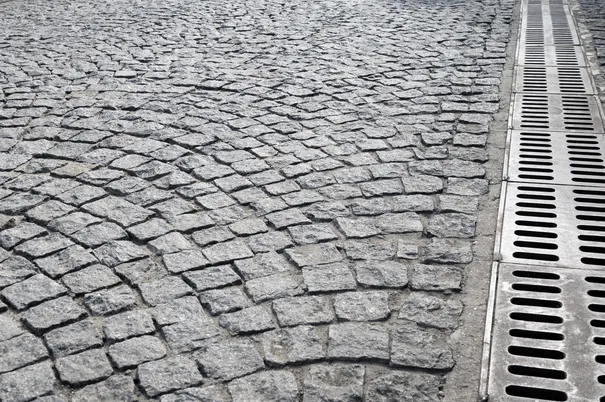
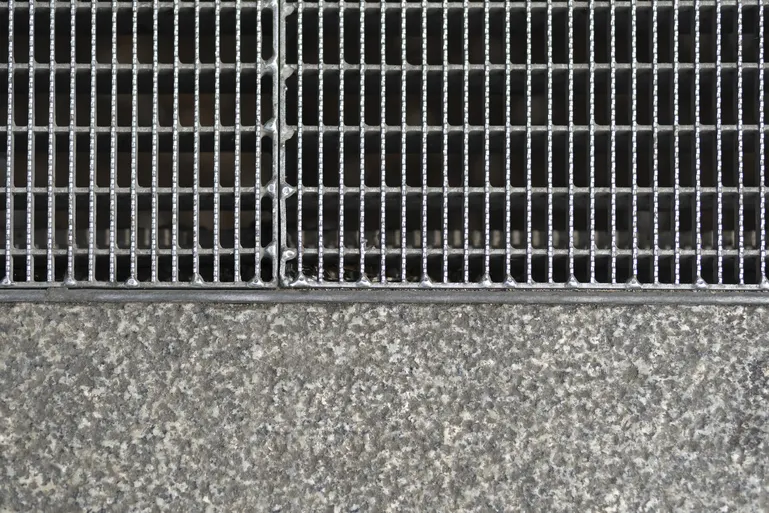
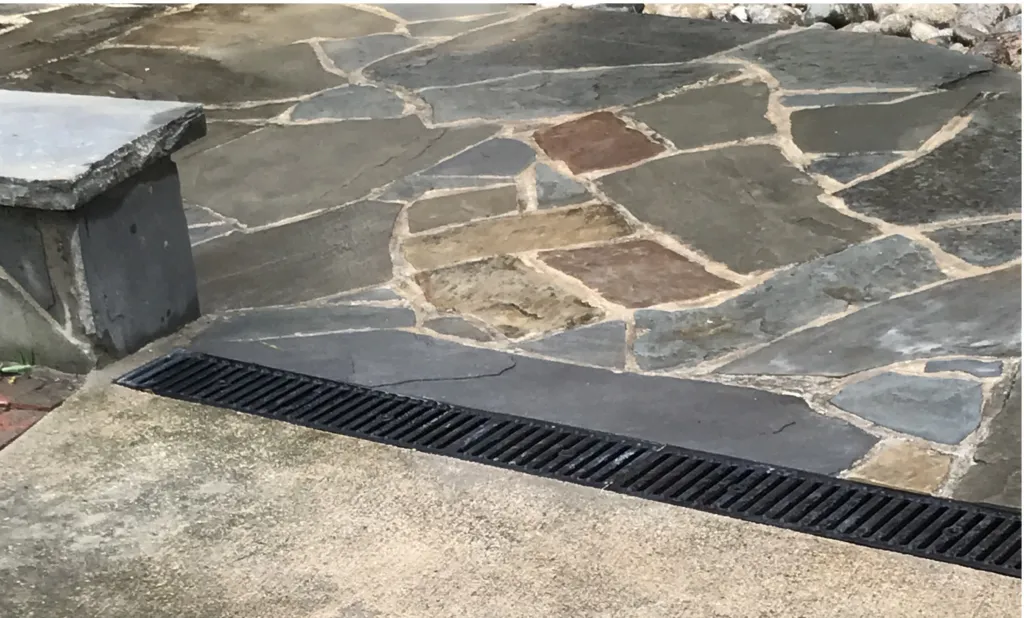
A French drain collects water below or near the soil surface and moves it underground through perforated pipe. A trench drain, also called a channel drain, sits at the surface and catches runoff moving across hardscapes.
Yes, in many cases they can. This is a common way to move concentrated roof runoff away from the home and keep it from flooding one section of the yard.
Yes, but they need to be designed correctly. Because clay-heavy soil drains slowly, proper slope, depth, and discharge planning are especially important in this area.
That depends on the yard and the type of drainage issue. Some properties only need a shallow system for recurring wet spots, while others need a deeper drain because of more persistent saturation or runoff near the house.
They are generally low maintenance, but it is still smart to check the outlet now and then and make sure the system continues draining properly.
Yes. One of the most common reasons homeowners install a French drain is to help move water away from the house and reduce repeated moisture near the foundation.
Yes. If an older drain is no longer working correctly, we can inspect it and recommend repair, rerouting, or replacement based on its condition.
Flat lots often need a more carefully designed drainage system. In some cases, that may include deeper trenching, extra collection points, or a sump-assisted setup to help move water effectively.
If your yard keeps staying wet after rain or runoff is starting to affect the lawn, landscape, or areas near the house, it is worth fixing before the next storm makes things worse. A properly designed French drain can help your property drain more effectively and keep water away from the places you want to protect. Schedule your French drain estimate in Oklahoma City, OK today.